
The Allure of Risk and Reward
The psychology of gambling is deeply intertwined with the human attraction to risk and the potential for reward. Casinos exploit this trait by creating an environment filled with vibrant lights, captivating sounds, and enticing rewards, all of which stimulate the senses and invite players to take risks. This experience taps into the brain’s reward center, releasing dopamine when players win, thereby reinforcing the desire to gamble again. The thrill of possibly winning large sums of money can overshadow rational judgment, leading individuals to make impulsive decisions, even as they explore options like crypto casinos.
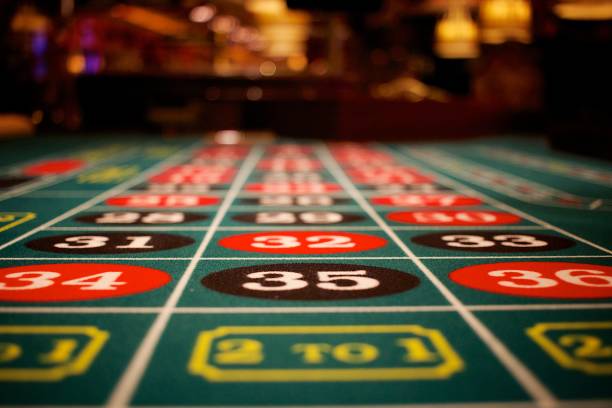
Furthermore, the concept of loss aversion plays a crucial role in gambling choices. Players often continue to gamble in the hopes of recovering previous losses, which can lead to a cycle of chasing losses. This behavior stems from a psychological bias where losses are felt more acutely than equivalent gains, pushing players further into the gambling frenzy. The environment created by casinos, filled with psychological triggers, amplifies this tendency, making it harder for individuals to walk away even when it may be in their best interest.
The Role of Social Influence
Social factors significantly influence gambling behavior, as many individuals are drawn to casinos for the social experience rather than solely the chance to win. Group dynamics can enhance excitement, as friends and family celebrate wins and console losses together. This communal aspect of gambling creates a sense of belonging and can alleviate feelings of isolation, particularly for those who may struggle with social interactions outside of the casino setting. Additionally, peer pressure can play a role in decision-making at the casino. Observing others engaging in gambling can make individuals feel compelled to join in, even if they may not have initially intended to gamble.
The Impact of Casino Design
The design of a casino is meticulously planned to optimize the gambling experience and influence players’ choices. Factors like layout, lighting, and sound are deliberately crafted to create an atmosphere that encourages prolonged play. For instance, casinos often lack clocks and windows, removing any sense of time and allowing players to lose track of hours spent gambling. This sensory manipulation keeps players engaged and often leads to increased spending. Moreover, the arrangement of gaming machines and tables is strategically designed to create a flow that draws players deeper into the establishment.
The Psychological Impact of Winning and Losing
Winning and losing in a casino also elicit profound psychological effects that influence future gambling choices. The euphoric feeling of a big win can lead to a false sense of confidence, encouraging players to take greater risks in the future. This phenomenon is often referred to as the “gambler’s fallacy,” where individuals believe that future outcomes can be influenced by past results, despite the randomness of games of chance. Such beliefs can lead to reckless behavior and sustained losses. Conversely, frequent losses can lead to feelings of frustration and hopelessness, which may cause gamblers to increase their wagering in hopes of turning their luck around.

Utilizing Technology and Psychology in Gaming
As technology evolves, so does the understanding of gambling psychology, with many casinos leveraging data analytics to improve user experiences. By analyzing player behavior, casinos can tailor their offerings to enhance engagement and encourage responsible gambling practices. Tools like self-exclusion programs, limits on betting amounts, and awareness campaigns are being developed to help mitigate the negative effects of gambling. At Leadmonk.io, we recognize the importance of managing interactions, whether in gaming or business. Just as players need to monitor their gambling habits, businesses must streamline their lead management processes.